
Do Psychedelics Slow Aging? New Research on Psilocybin and Longevity
Short answer: Early research suggests psilocybin may influence biological processes associated with aging. Studies involving human cells and mice have reported changes in cellular aging markers, survival, oxidative stress, and other biological pathways. These findings are promising, but human research has not established psilocybin as an anti-aging treatment.
Do Psychedelics Slow Aging?
Interest in psychedelics has expanded beyond mental health research. Scientists are now investigating whether compounds such as psilocybin might influence biological processes associated with aging.
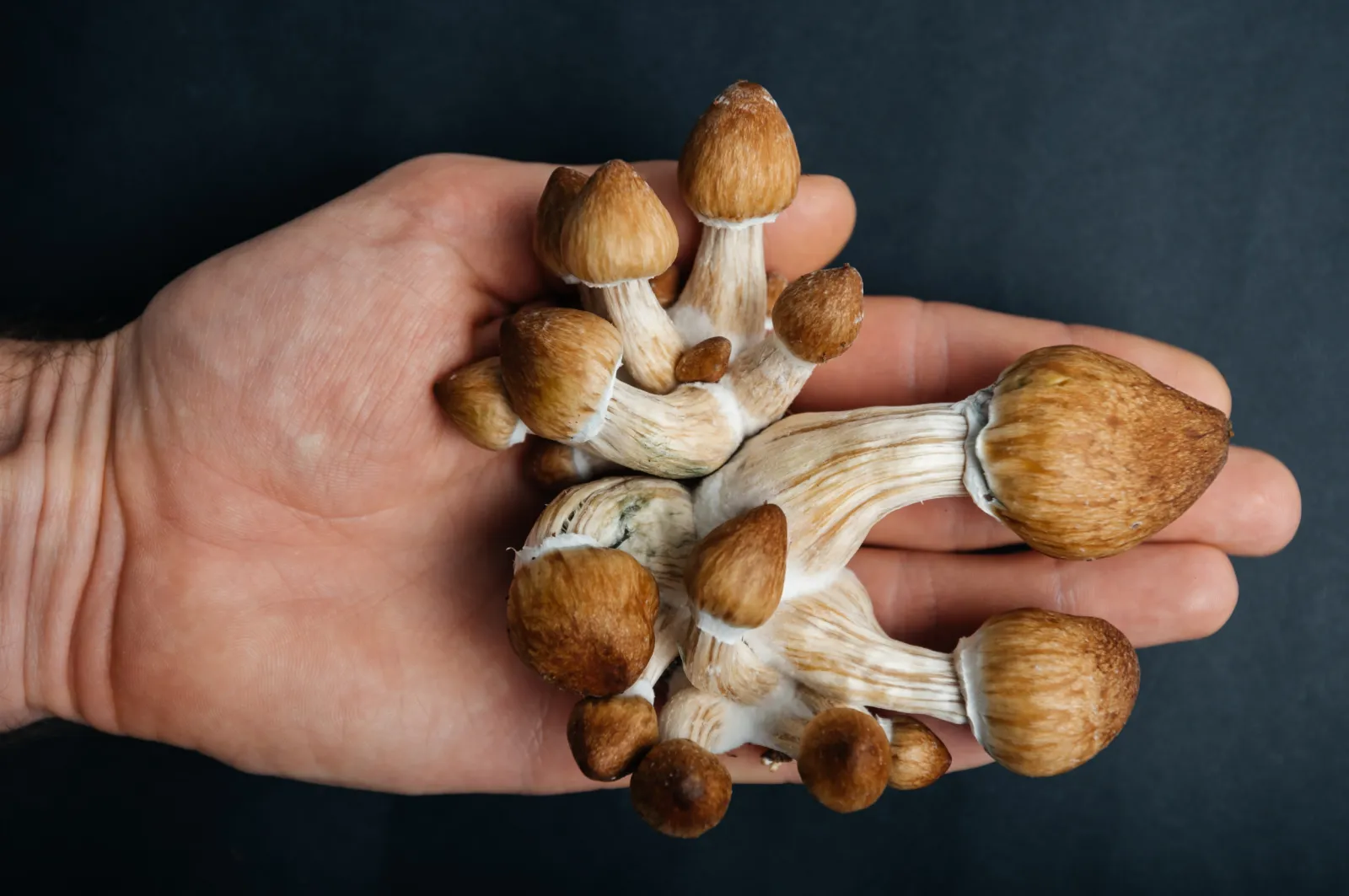
Psilocybin is the primary psychedelic compound found in many species of psychedelic mushrooms. After ingestion, the body converts psilocybin into psilocin, which interacts with serotonin receptors, particularly the 5-HT2A receptor.
Recent laboratory and animal research has raised an important question: could these compounds affect the biological processes associated with aging?
The early evidence is interesting. Research involving human cells has reported changes in markers associated with cellular aging, while experiments involving older mice have produced findings related to survival and physical health.
These results do not prove that psychedelics extend human lifespan. They represent an early stage of research into a possible connection between psychedelic compounds and longevity.
What Does the Research Say About Psilocybin and Aging?
One of the most discussed areas of research involves psilocybin and cellular aging.
Researchers have studied how psilocybin and psilocin interact with cells and biological pathways associated with aging. Some experiments have reported changes in markers linked with cellular senescence, oxidative stress, DNA damage, and other processes involved in biological aging.
Animal research has also attracted attention. In a 2025 study from researchers at Emory University, aged mice received repeated doses of psilocybin. Researchers observed differences in survival and physical condition compared with untreated animals.
The findings generated significant interest because the mice were already old when the study began. Researchers were therefore examining whether psilocybin had effects during later life rather than during early development.
According to the reported findings, approximately 80% of the treated mice survived the study period compared with approximately 50% of the control mice.
The researchers also reported changes in physical characteristics, including fur condition and other signs associated with aging.
These findings require further investigation before researchers know whether similar effects occur in humans.

How Could Psilocybin Affect Biological Aging?
Aging involves many biological processes. Cells accumulate damage, DNA repair becomes less efficient, mitochondria change function, inflammation increases, and some cells enter a state known as cellular senescence.
Researchers are investigating whether psychedelic compounds influence some of these processes.
1. Cellular Senescence
Cellular senescence occurs when damaged or stressed cells stop dividing but remain metabolically active. Senescent cells release signaling molecules that influence surrounding tissue.
The accumulation of senescent cells is associated with several aspects of aging.
Laboratory studies involving psilocin have examined markers such as p16 and p21, which are commonly used when studying cellular senescence.
Changes in these markers have raised questions about whether psilocin affects cellular aging pathways.
2. Oxidative Stress
Oxidative stress occurs when reactive molecules accumulate faster than the body’s antioxidant systems remove them.
Oxidative stress contributes to cellular damage and is one of the biological processes studied in aging research.
Some preclinical psychedelic research has examined whether psilocybin-related compounds influence oxidative stress and cellular resilience.
Researchers still need to establish how significant these effects are and whether they translate into meaningful benefits in living humans.
3. DNA Damage and Repair
DNA experiences damage throughout life. Cells rely on several repair systems to identify and correct this damage.
As organisms age, some DNA repair processes become less efficient.
Researchers studying psilocybin and cellular aging have examined pathways related to DNA maintenance and cellular stress responses.
This area remains experimental. Current evidence does not show that psilocybin prevents or reverses DNA aging in humans.
4. Telomeres
Telomeres are protective structures located at the ends of chromosomes. They generally become shorter as cells divide.
Telomere length is one of several biological markers researchers examine when studying aging.
Some laboratory research has investigated whether psychedelic compounds influence telomere-related processes. More research is needed before researchers know whether these observations have meaningful implications for human longevity.
5. Cellular Stress Responses
Cells respond to stress through complex signaling networks. These systems influence metabolism, repair, inflammation, and survival.
Psilocybin and psilocin interact with serotonin signaling. Researchers are investigating whether these interactions influence biological pathways beyond their well-known effects on perception and mood.
What Happened in the Mouse Aging Study?
The mouse research attracted attention because researchers used older animals rather than young mice.
The mice received psilocybin during later life. Researchers monitored their survival and physical characteristics over an extended period.
The reported survival difference was one of the most notable findings. Around 80% of treated mice survived the observation period compared with around 50% of untreated mice.
Researchers also reported improvements in physical indicators such as fur condition.
These findings are important because lifespan research often begins with animal models. Researchers use animals to identify biological signals before testing whether similar mechanisms exist in humans.
Still, a mouse study does not establish a human anti-aging treatment.
Mice and humans differ in metabolism, lifespan, physiology, psychedelic sensitivity, and drug response. A dose or treatment schedule used in an animal study also does not translate directly into a human dose.
Did Psilocybin Increase the Lifespan of Mice?
Early research suggests an association between repeated psilocybin exposure and longer survival in the studied mice.
The reported results showed approximately 80% survival among treated mice compared with approximately 50% among controls after the study period.
This finding does not establish that psilocybin increases lifespan in humans.
Researchers need replication, larger studies, additional animal models, and carefully controlled human research before drawing conclusions about human longevity.
What Is Psilocin and Why Does It Matter?
Psilocin is the active compound produced when the body metabolizes psilocybin.
Psilocin interacts with several serotonin receptors in the nervous system. Its interaction with the 5-HT2A receptor is strongly associated with the psychedelic effects of psilocybin.
Scientists are now interested in whether serotonin signaling also influences biological processes outside the subjective psychedelic experience.
This question is part of a broader field of research examining how serotonin receptors influence inflammation, cellular signaling, metabolism, and tissue function.
The anti-aging hypothesis remains under investigation.
Could Psychedelics Influence More Than Lifespan?
Lifespan refers to how long an organism lives. Healthspan refers to how long an organism maintains good physical and functional health.
Aging researchers increasingly study both concepts.
A compound that increases lifespan without improving health would have limited value. Researchers therefore examine physical function, cognition, metabolism, inflammation, tissue health, and other markers alongside survival.
The mouse research is interesting because investigators reported changes in physical appearance and condition in addition to survival differences.
Future research will need to determine whether similar changes occur in other organs and biological systems.
Can Psychedelics Reverse Aging in Humans?
There is currently no established evidence showing that psychedelic drugs reverse biological aging in humans.
Most of the evidence discussed in connection with anti-aging effects comes from laboratory experiments and animal studies.
Human cells grown in laboratories provide useful information, but cells outside the body do not reproduce the complexity of a living organism.
Likewise, results from mice provide important clues but do not establish what happens in humans.
Human clinical research will need to examine whether psychedelic compounds influence measurable aging biomarkers, physical function, disease risk, and long-term health outcomes.
Why Human Studies Matter
Human research represents the next important step.
Researchers need to determine whether biological effects observed in laboratory models also occur in humans.
Human studies also need to examine safety. Psychedelics affect the brain and produce substantial changes in perception, mood, cognition, and sensory processing.
Researchers therefore need controlled conditions, appropriate participant screening, carefully selected doses, and long-term follow-up.
Anti-aging research also requires long observation periods. Aging occurs over decades, so researchers need reliable biomarkers and study designs capable of detecting meaningful changes.
What Biological Pathways Are Researchers Investigating?
Researchers studying longevity examine several biological pathways that influence aging.
- Cellular senescence
- DNA damage and repair
- Oxidative stress
- Mitochondrial function
- Inflammation
- Telomere biology
- Metabolic regulation
- Cellular stress responses
Psilocybin research is beginning to explore whether psychedelic compounds interact with some of these systems.
Researchers are also interested in serotonin signaling because serotonin receptors appear throughout the body and participate in several biological processes.
Does This Mean Psilocybin Is an Anti-Aging Drug?
No.
Calling psilocybin an anti-aging drug would go beyond the current evidence.
The research supports further investigation. It does not establish an approved treatment for aging, longevity, or age-related disease.
The distinction matters because laboratory findings often produce hypotheses rather than medical conclusions.
A compound might produce a promising effect in cells or animals and later show a smaller effect, no effect, or an unacceptable safety profile in humans.
Why This Research Matters
Aging is one of the largest areas of biomedical research.
Researchers study aging because biological aging increases the risk of many chronic diseases and functional decline.
Most longevity research focuses on established biological pathways involving metabolism, inflammation, cellular repair, senescence, and genetics.
Psychedelic research adds another potential area of investigation.
If future research confirms that psychedelic compounds influence specific aging pathways, scientists might gain new insight into cellular resilience and age-related biological changes.
At present, the research remains early.
Frequently Asked Questions
Do psychedelics slow aging?
Early laboratory and animal research suggests some psychedelic compounds, particularly psilocybin and psilocin, might influence biological processes associated with aging. Human evidence remains insufficient to establish an anti-aging effect.
Did psilocybin extend the lifespan of mice?
A 2025 study involving older mice reported higher survival among animals receiving psilocybin compared with untreated controls. Further research is needed to confirm the finding and understand the mechanism.
Does psilocybin reverse aging?
No human evidence currently establishes that psilocybin reverses aging. Existing findings largely come from laboratory and animal research.
Does psilocybin affect cellular aging?
Laboratory research has reported changes in cellular markers associated with aging after exposure to psilocin. Researchers are studying whether these changes reflect meaningful biological effects.
Can psychedelics increase human lifespan?
There is currently no clinical evidence establishing that psychedelic drugs increase human lifespan.
What is the difference between lifespan and healthspan?
Lifespan refers to how long an organism lives. Healthspan refers to the period during which an organism maintains good physical and functional health.
Why are mice used in aging research?
Mice have biological systems that share important features with humans. Their shorter lifespans also allow researchers to study aging over a practical research period.
Will researchers study psychedelics and aging in humans?
Human research is needed to determine whether findings from cells and animals translate to people. Researchers also need to establish appropriate safety parameters and identify reliable aging biomarkers.
Key Takeaways
- Early research has linked psilocybin and psilocin with biological markers associated with aging.
- A 2025 mouse study reported higher survival among older mice receiving psilocybin.
- Laboratory studies have examined cellular senescence, oxidative stress, DNA repair, and other aging-related pathways.
- These findings do not establish psilocybin as an anti-aging treatment.
- Human research is needed before researchers know whether similar effects occur in people.
- Animal findings should not be used to determine human dosing or treatment.
The slots here are incredibly exciting and the hit rate seems better than other sites. I’m hooked on modal777slot already!