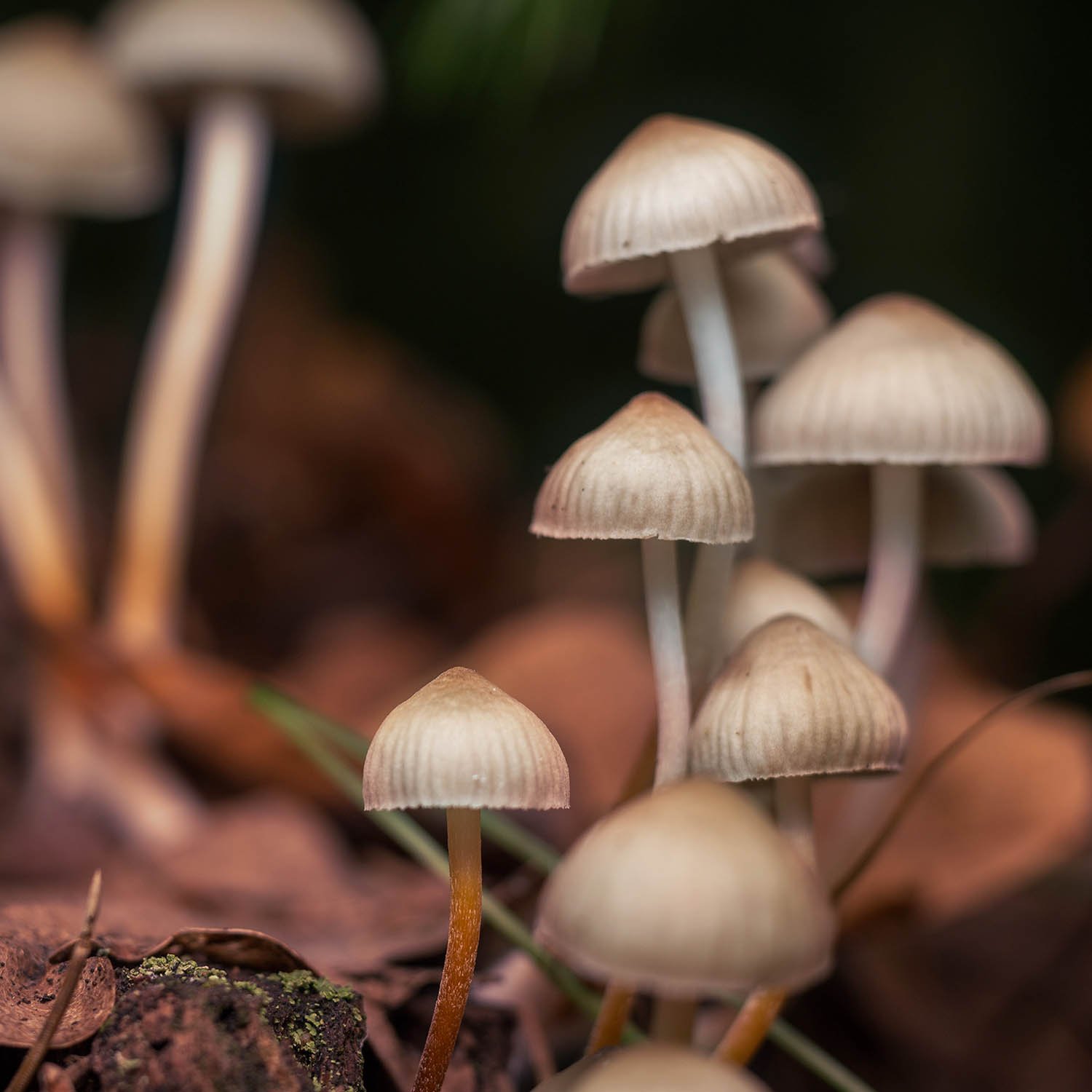
Best Mushrooms for Anxiety for Calming the Mind and Body
Anxiety affects millions of people worldwide. While therapy and medication remain primary treatments, natural solutions like medicinal mushrooms have gained attention for their potential to support mood balance. This guide examines the role of mushrooms in easing anxiety, focusing on Lion’s Mane and its scientifically supported benefits.
What is Anxiety
Anxiety is a heightened state of fear or worry. It can manifest as constant restlessness, muscle tension, rapid heartbeat, and difficulty focusing. Common causes include stress, trauma, medical conditions, and lifestyle factors. While short-term anxiety can be a normal response to threats, chronic anxiety disrupts daily life and may lead to depression or physical illness.
Treatment often involves a combination of counseling, lifestyle changes, and sometimes medication. In recent years, natural approaches like adaptogenic mushrooms have attracted interest for their ability to modulate the body’s stress response.
How Mushrooms Help Us Cope with Anxiety
Mushrooms have been part of traditional medicine for centuries. Modern research has identified compounds in certain mushrooms that influence brain chemistry, inflammation, and the body’s stress response.
Key ways mushrooms may help with anxiety:
- Neuroprotection: Certain mushrooms contain hericenones, erinacines, and polysaccharides that stimulate nerve growth factor (NGF) production. NGF supports neuron repair and brain plasticity, which may improve mood stability.
- Adaptogenic Effects: Adaptogens help regulate the body’s stress response by balancing cortisol levels. By reducing excessive cortisol, mushrooms can promote relaxation and better sleep quality.
- Anti-inflammatory Properties: Chronic inflammation is linked to anxiety and depression. Bioactive compounds in mushrooms like beta-glucans reduce neuroinflammation, supporting clearer thinking and emotional balance.
- Gut-Brain Axis Support: The gut microbiome plays a direct role in mental health. Certain mushrooms act as prebiotics, feeding beneficial gut bacteria that influence mood-regulating neurotransmitters such as serotonin.
- Immune System Regulation: Anxiety can be worsened by chronic illness or immune imbalance. Mushrooms help maintain immune homeostasis, reducing physical stressors that trigger anxiety.
A clinical review published in Frontiers in Pharmacology highlights that Lion’s Mane, Reishi, and Cordyceps exhibit properties relevant to mental health management. They work by modulating the hypothalamic-pituitary-adrenal (HPA) axis, a key player in stress response regulation.
For individuals considering mushroom supplements, purchasing from verified sources is important to ensure potency and safety. For example, trusted dispensaries such as Psychedelic2 Dispensary provide lab-tested mushroom products. External sources like the National Institutes of Health also provide valuable guidance on herbal supplement use.
Best Mushrooms for Anxiety
- Lion’s Mane (Hericium erinaceus) – Supports nerve regeneration, boosts mood, and may reduce mild depression symptoms.
- Reishi (Ganoderma lucidum) – Known for its calming, sedative-like effects and immune support.
- Cordyceps (Cordyceps militaris, Cordyceps sinensis) – Enhances energy and reduces fatigue-related stress.
- Chaga (Inonotus obliquus) – Anti-inflammatory and antioxidant-rich, helping protect against stress-related damage.
While each of these mushrooms offers benefits, Lion’s Mane has the strongest research backing for cognitive and mood support, making it a key focus for anxiety relief.
Lion’s Mane Mushrooms Help Us with Anxiety
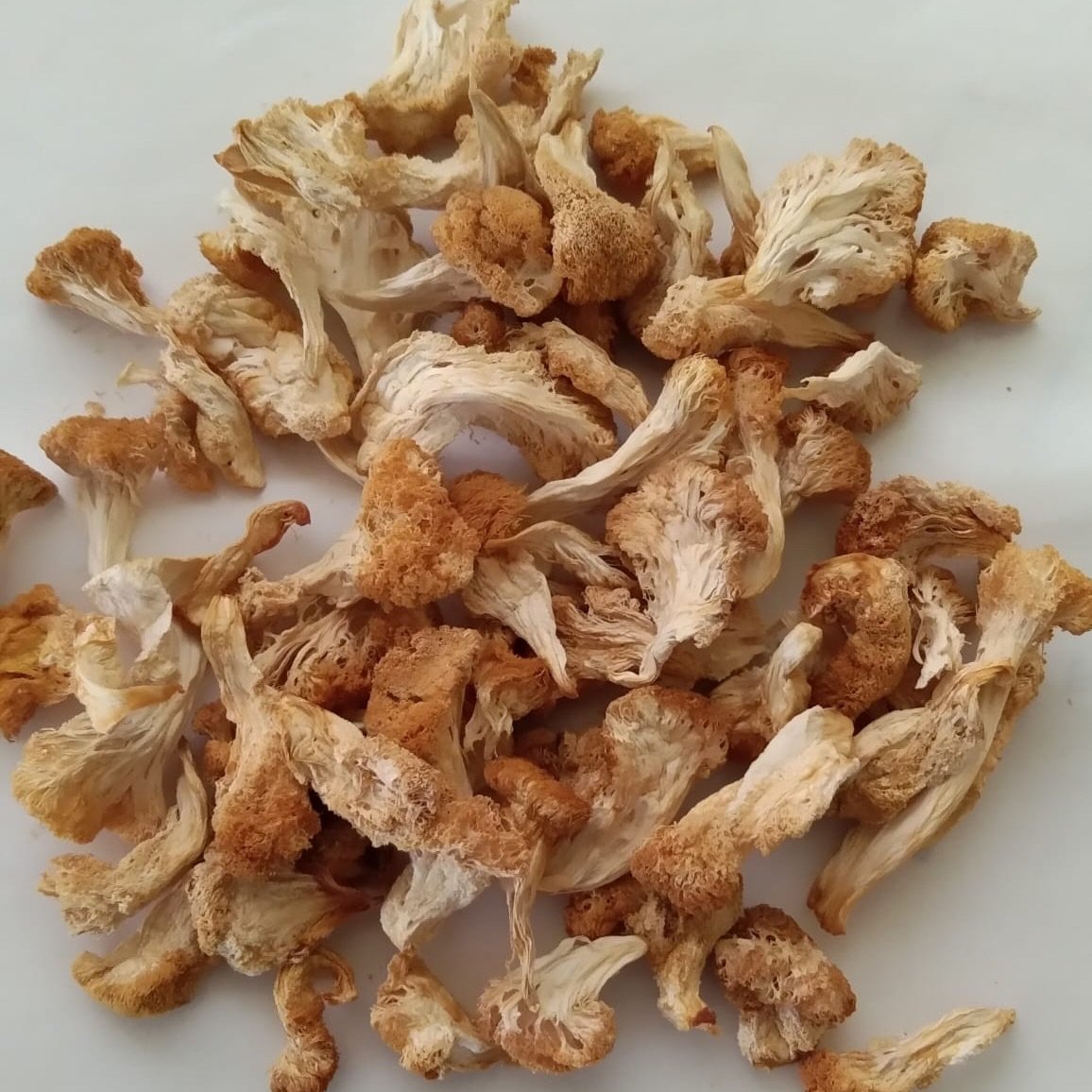
Lion’s Mane is a unique white, shaggy mushroom resembling a lion’s mane. Beyond its culinary uses, it is prized in traditional Chinese and Japanese medicine for brain and mood support.
Lion’s Mane contains hericenones and erinacines, compounds that cross the blood-brain barrier and stimulate NGF production. This may improve cognitive flexibility, reduce brain fog, and stabilize mood.
Animal studies and preliminary human trials have shown Lion’s Mane supplementation to reduce symptoms of mild anxiety and depression, particularly in middle-aged adults. It also supports brain repair following stress-related damage, which is essential for long-term emotional resilience.
How to Use Lion’s Mane Mushrooms to Cope with Anxiety
Lion’s Mane can be consumed in several forms:
- Powder: Added to coffee, smoothies, or soups.
- Capsules: Convenient for consistent dosing.
- Tinctures: Fast absorption, useful for those who want quick effects.
- Fresh or Dried: Cooked in meals for both flavor and benefits.
Dosage varies depending on the extract strength. Standard supplemental doses range from 500 mg to 3 g daily for general cognitive and mood support.
Consistency is important. Effects are more noticeable after several weeks of regular intake. Pairing Lion’s Mane with lifestyle changes like mindfulness practice, a balanced diet, and regular exercise may amplify benefits.
For safe use, purchase from reputable vendors such as Psychedelic2 Lion’s Mane Products and check third-party lab reports. External educational resources like Healthline’s guide on Lion’s Mane provide more insights into dosage and safety.
Studies About Lion’s Mane for Mood Regulation
A 2010 Japanese study in Biomedical Research found that women who consumed Lion’s Mane cookies for four weeks reported reduced anxiety and improved concentration compared to a placebo group.
In animal models, Lion’s Mane extract reduced depressive behavior by influencing hippocampal neurogenesis, suggesting a link between NGF stimulation and mood regulation.
A review in the International Journal of Medicinal Mushrooms confirmed that Lion’s Mane’s anti-inflammatory and neuroprotective properties may explain its role in mood improvement.
Although more large-scale clinical trials are needed, existing research supports its potential as a complementary approach for managing anxiety.
Reishi Mushrooms for Anxiety Relief
Reishi (Ganoderma lucidum) is known as the “mushroom of immortality” in traditional Chinese medicine. It has a long history of use as a calming tonic. Modern research suggests its bioactive compounds, including triterpenes and polysaccharides, influence the nervous system and immune regulation.

Benefits for anxiety:
-
Calming Effect on the Nervous System: Reishi interacts with the GABAergic system, which helps reduce overactivity in the brain and promotes relaxation.
-
Improved Sleep Quality: Sleep disruption often worsens anxiety symptoms. Reishi’s natural sedative properties can support better rest, indirectly improving mood stability.
-
Immune Support: Chronic anxiety is often linked to low immunity. Reishi helps maintain immune balance, reducing stress on the body.
Reishi is available in powders, capsules, and teas. Standard doses range from 1.5 g to 9 g daily, depending on the form and concentration.
For quality products, refer to Psychedelic2’s Reishi offerings or external references like National Library of Medicine studies on Reishi.
Cordyceps Mushrooms for Stress and Energy Balance
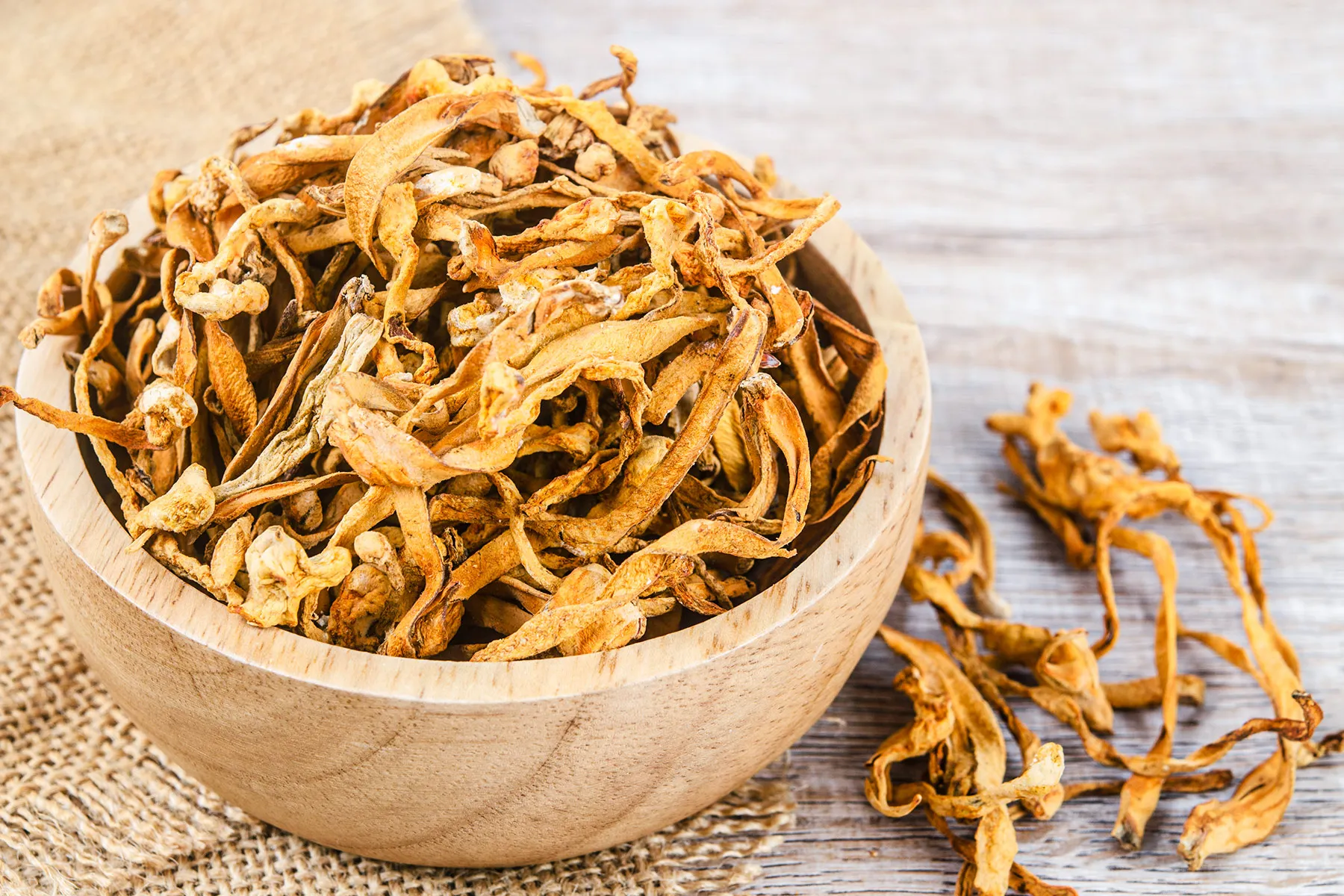
Cordyceps (Cordyceps militaris and Cordyceps sinensis) are parasitic fungi traditionally used to boost energy, stamina, and lung function. For anxiety, they are valued for their ability to improve physical resilience and reduce fatigue-related stress.
Benefits for anxiety:
-
Adaptogenic Action: Cordyceps help regulate cortisol and improve the body’s ability to adapt to stress.
-
Energy Restoration: Fatigue and anxiety often occur together. Cordyceps improve oxygen utilization and mitochondrial function, which may enhance mental and physical endurance.
-
Mood Support via Neurotransmitters: Compounds in Cordyceps may influence dopamine and serotonin pathways, contributing to mood stabilization.
Cordyceps are often taken in capsule or powder form. Typical doses range from 1 g to 3 g daily.
You can find lab-tested Cordyceps supplements from trusted sellers like Psychedelic2 Cordyceps Products and educational references from Healthline on Cordyceps.