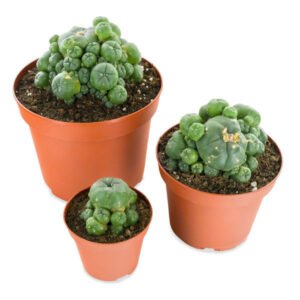
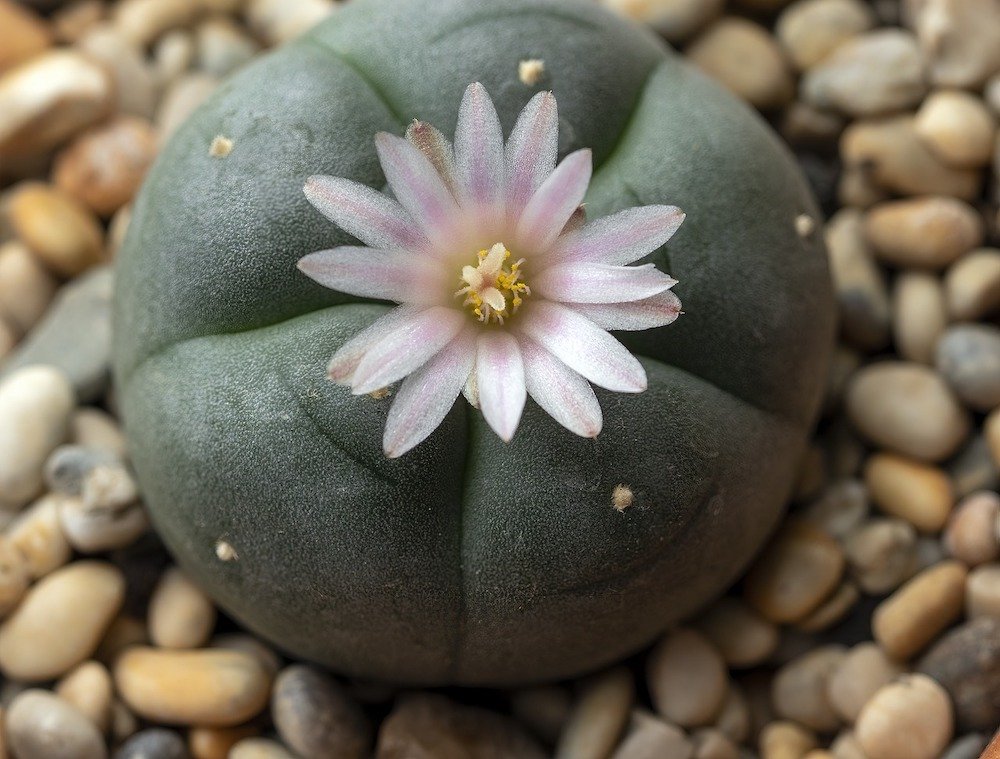
Peyote is a small, spineless cactus known for its potent psychoactive compound — mescaline. Traditionally revered in indigenous ceremonies across northern Mexico and the southwestern U.S., peyote has played a sacred role in spiritual practices for centuries.
What Is Mescaline?
Mescaline is a naturally occurring psychedelic alkaloid. It can be extracted directly from peyote cactus or synthesized in a lab. Both forms produce powerful hallucinogenic effects.
How Does It Affect the Body?
After ingesting peyote or mescaline, users often report intense physical reactions such as:
Nausea and vomiting
Dilated pupils
Increased heart rate and blood pressure
Profuse sweating and elevated body temperature
Headaches, muscle weakness, and reduced motor control
Smoked in combination with herbs like cannabis or tobacco
Street Names
Peyote and mescaline may also be referred to as:
Buttons
Cactus
Mesc
Peyoto
Final Note
Peyote is deeply rooted in indigenous cultural and spiritual traditions, but recreational use remains illegal and potentially risky. Always be mindful of legality, source purity, and mental health implications when exploring psychoactive substances. Let me know if you’d like: