
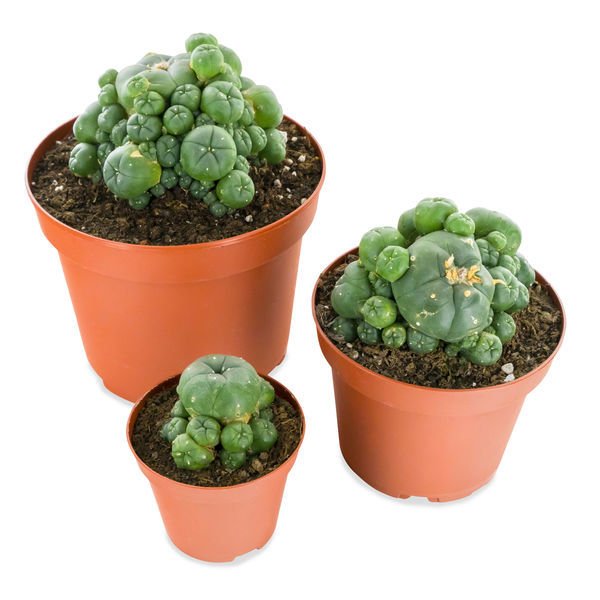
peyote buttons
Price range: $180.00 through $550.00
Peyote is a small cactus known for its mescaline content and long history of ceremonial use. Indigenous communities use it in structured spiritual practices focused on reflection and healing. Researchers also study peyote for its effects on perception and consciousness.
Legal status varies by region. This description provides educational reference for informed audiences.
Description
Peyote buttons ( lophophora williamsii)
Can You Become Dependent or Addicted to Peyote
Peyote does not produce physical dependence in the way opioids or alcohol do. Research shows no withdrawal syndrome linked to mescaline, the active compound in peyote. This means the body does not develop a chemical need for continued use.
A person still develops problematic use patterns. Mental or behavioral dependence occurs when someone continues using peyote despite harm. Clinicians refer to this pattern as hallucinogen use disorder. It describes a loss of control over use rather than a physical addiction.
Common signs include:
• Using peyote more often or in higher amounts than intended
• Trying to stop without success
• Spending excessive time seeking or using the substance
• Strong urges to use
• Decline in work, school, or home responsibilities
• Relationship strain linked to use
• Withdrawal from social or professional activities
• Use in unsafe situations such as before driving
• Continued use despite mental or physical harm
• Reduced effects over time which leads to increased dosing
These signs reflect psychological dependence rather than chemical addiction.
Peyote Effects on the Brain
Peyote contains mescaline, a naturally occurring psychedelic. Mescaline acts on serotonin receptors in the brain. This changes how sensory and emotional signals process.
One common effect is altered perception. Users report visual and auditory changes. A phenomenon called synesthesia occurs in some cases. This involves blending of senses such as hearing colors or seeing sounds.
Short term effects studied in clinical and observational research include:
• Euphoria
• Anxiety
• Altered thinking patterns
• Distorted sense of time and space
• Changes in body awareness such as weightlessness
• Heightened sensory input
• Shifts in sense of reality and meaning
These effects vary by dose, setting, and mental state. Controlled environments reduce risks. Unsupervised use increases them.
Additional information
| quantity | 10 buttons, 15 buttons, 20 buttons, 25 buttons, 30 buttons, 50 buttons |
|---|
Reviews
There are no reviews yet.