The Beginner’s Guide to Liquid LSD: Effects, Risks, and Safety
Liquid LSD is a liquid preparation containing lysergic acid diethylamide (LSD), a potent psychedelic substance. It produces changes in perception, mood, thoughts, time awareness, and sensory experiences.
Because LSD is active in extremely small quantities, liquid preparations present particular risks when their concentration is unknown or inaccurately labeled. This guide explains what liquid LSD is, what effects people report, potential risks, storage considerations, and practical harm-reduction information.
What Is Liquid LSD?
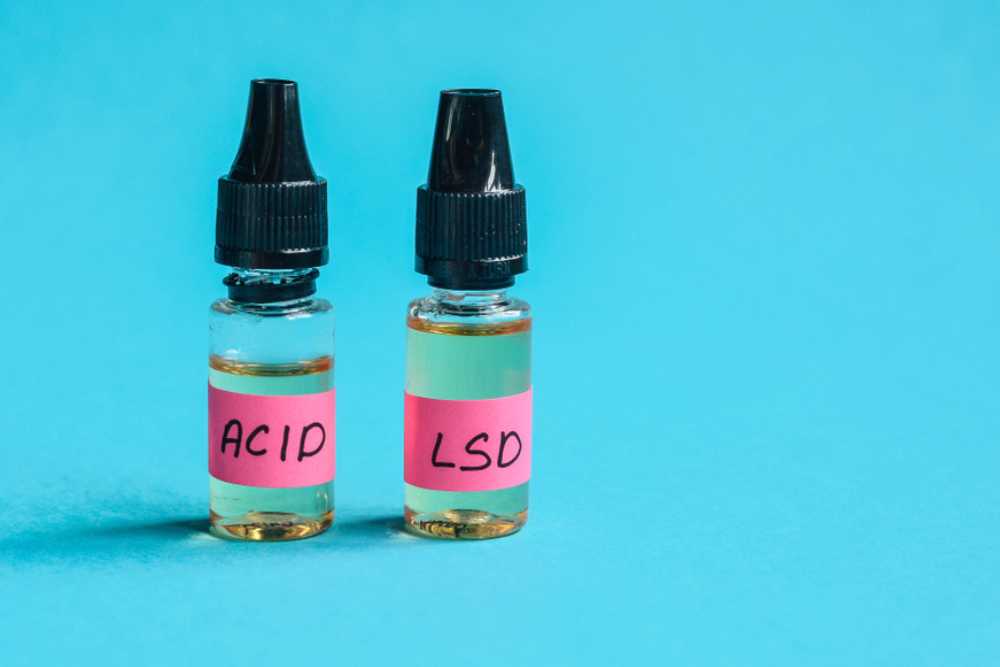
Liquid LSD refers to LSD dissolved in a liquid carrier. The carrier and concentration vary between preparations. Liquid LSD is different in physical form from blotter paper, but the active substance is the same.
The concentration of an unknown liquid preparation should never be assumed from its appearance, bottle size, dropper size, or claims made by a seller. A drop does not represent a universal amount of LSD.
Why Liquid LSD Requires Extra Caution
LSD is potent at very small quantities. Small differences in concentration or measurement therefore have a significant effect on exposure.
- Unknown concentration makes the amount of LSD difficult to determine.
- Drop size varies between droppers and bottles.
- Labels from unverified sources might be inaccurate.
- Mixing LSD with other substances introduces additional risks.
- A strong psychedelic experience might last many hours.
Liquid LSD Effects
LSD affects perception and cognitive processes. Effects differ between individuals and depend on factors such as the substance, personal sensitivity, mental state, environment, and other substances involved.
Commonly Reported Effects
- Changes in visual perception
- Altered sense of time
- Changes in thought patterns
- Heightened emotions
- Intensified colors, sounds, or patterns
- Changes in body awareness
- Difficulty concentrating
Unwanted Effects
- Anxiety or panic
- Confusion
- Paranoia
- Nausea
- Increased heart rate
- Agitation
- Distressing perceptual changes
How to Dose Liquid LSD Properly
Dosing Guidelines
Use the table below as a reference. Always verify your dropper’s concentration before dosing.
| Type of Dose | Micrograms (mcg) | Effect |
|---|---|---|
| Microdose | 5–20 mcg | Sub‑perceptual, mood & focus boost |
| Threshold | 25–75 mcg | Mild visuals, body awareness |
| Standard | 100–150 mcg | Classic LSD trip |
| Strong | 200+ mcg | Intense visuals, ego dissolution |
Never “guess” your dosage.
Microdosing with Liquid LSD
To achieve a sub‑perceptual microdose (5–20 mcg), you may need to dilute the stock solution further.
- Use distilled water or high‑proof alcohol (e.g., vodka) as your diluent.
- Always work with sterile, labeled containers to avoid contamination.
- Calculate dilution: if your dropper delivers 100 mcg/drop, add 9 drops of diluent to 1 drop of LSD to get ~10 mcg per drop.
Pro tip for accuracy
Use a 1ml oral syringe (without needle) or a calibrated dropper to measure your liquid. Store any diluted solution in an amber glass vial and label it with the new concentration.
Dosing Steps (Quick Checklist)
- Know your concentration – confirm mcg per drop from your supplier or via lab test.
- Decide on your dose – refer to the table above based on your experience level.
- If microdosing: dilute accordingly in a separate sterile vial.
- Administer – place drops under the tongue (sublingual) or on a sugar cube, and hold for ~1 minute before swallowing.
- Wait & observe – onset is usually 20–45 minutes; avoid redosing until you fully feel the effects.
Always respect the substance. Accurate dosing is the foundation of a safe and meaningful experience.
Order liquid LSD now
How Long Does LSD Last?
LSD experiences often last for many hours. The onset, peak, and overall duration vary between individuals and preparations.
Do not plan activities requiring driving, operating machinery, or making important decisions during an LSD experience or while impaired afterward.
Liquid LSD vs. Blotter LSD
| Feature | Liquid LSD | Blotter LSD |
|---|---|---|
| Physical form | Liquid solution | Paper or absorbent material |
| Active substance | LSD | LSD |
| Concentration | Depends on the preparation | Depends on the preparation |
| Main concern | Unknown concentration and drop variability | Unknown strength and uneven distribution |
Understanding LSD Potency
LSD is measured in micrograms rather than milligrams. This makes accurate measurement especially important.
There is no universal relationship between one liquid drop and a particular amount of LSD. A statement such as “one drop equals 100 micrograms” only applies to a preparation whose concentration has been reliably established.
Avoid relying on assumptions about concentration when the source or testing information is uncertain.
Set and Setting
Set refers to a person’s mental and emotional state. Setting refers to the physical and social environment.
A calmer environment with trusted people reduces some risks associated with panic, confusion, and unsafe behavior.
- Choose a familiar and physically safe environment.
- Avoid driving or other hazardous activities.
- Consider having a trusted sober person present.
- Keep the environment calm and free from unnecessary hazards.
- Keep access to emergency assistance available.
Mixing LSD With Other Substances
Combining LSD with other drugs or medications introduces additional uncertainty. Some combinations might increase psychological or physical risks.
Alcohol and other intoxicating substances also make it harder to judge impairment and respond appropriately to an unexpected reaction.
What to Do During a Difficult Experience
A difficult psychedelic experience often involves fear, anxiety, confusion, or sensory overload.
- Move to a quiet and familiar environment.
- Stay with a trusted sober person when possible.
- Speak calmly and avoid confrontation.
- Reduce excessive noise and stimulation.
- Remind the person that the effects are temporary.
- Seek emergency medical assistance if serious symptoms develop.
When Emergency Help Is Needed
Seek urgent medical assistance for severe agitation, loss of consciousness, seizures, serious injury, extreme overheating, difficulty breathing, chest pain, or behavior creating an immediate danger to the person or others.
Storage and Handling
LSD is sensitive to environmental conditions such as light, heat, and moisture. Unknown preparations also present a labeling and identification risk.
- Keep substances away from children and other people who might accidentally ingest them.
- Keep unknown substances in clearly identified, secure containers.
- Avoid transferring unidentified liquids into ordinary drink containers.
- Follow appropriate local rules for hazardous or controlled substances.
Legal Status
LSD is controlled or prohibited in many jurisdictions. Laws differ between countries and sometimes between regions within a country.
Check current laws in your jurisdiction before possessing, transporting, or handling LSD.
Frequently Asked Questions
Is liquid LSD stronger than blotter LSD?
Liquid LSD is not inherently stronger because it is liquid. The relevant factor is the amount of LSD present. Concentration varies between preparations.
Does one drop always contain the same amount of LSD?
No. Drop size and concentration vary. A drop should never be assumed to represent a specific amount without reliable information about the preparation.
How long does an LSD experience last?
LSD effects often last many hours. Duration varies between people and preparations.
Is LSD legal?
LSD is controlled or prohibited in many countries. Check the current laws where you live.
What should someone do during a difficult LSD experience?
Move to a calm environment, reduce stimulation, stay with a trusted sober person, and seek emergency medical help when serious symptoms occur.
Final Thoughts
Liquid LSD requires particular caution because very small amounts of LSD produce effects and the concentration of an unknown preparation might be difficult to establish.
Understanding the substance, recognizing potential risks, avoiding dangerous combinations, and preparing a safe environment are important parts of harm reduction.
Disclaimer: This article provides educational and harm-reduction information. It does not encourage illegal drug use or replace professional medical advice.