Beginner’s Guide to Psychedelics: What to Know Before You Try
Psychedelics have received growing attention from researchers, clinicians, and the public. Substances such as psilocybin, LSD, DMT, and other psychedelic compounds are being studied for their effects on perception, mood, cognition, and consciousness.
At the same time, interest in psychedelics often comes with questions about safety, legality, effects, interactions, and the quality of available scientific evidence.
This beginner’s guide explains the basics in clear language. It focuses on education, research, risks, and harm reduction.
What Are Psychedelics?
Psychedelics are a group of psychoactive substances capable of producing significant changes in perception, thought patterns, mood, and sensory experiences.
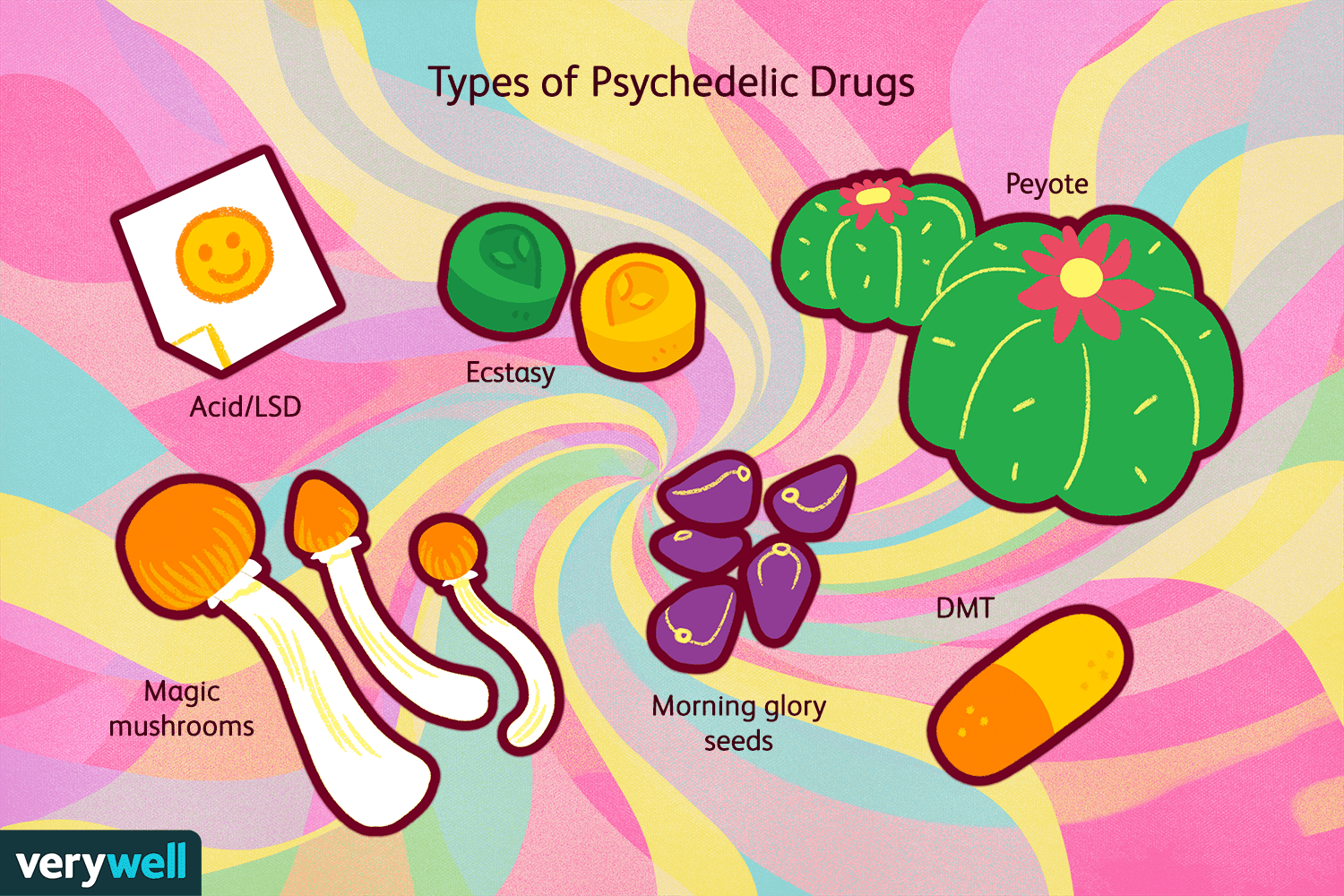
Classical psychedelics include compounds such as psilocybin, LSD, DMT, and mescaline. Although these substances share some pharmacological characteristics, their effects, duration, risks, and legal status differ.
Researchers often study psychedelics in controlled environments where participants receive screening, supervision, and structured psychological support.
Why Are Psychedelics Being Studied?
Modern psychedelic research examines several areas, including mood disorders, anxiety, substance-use disorders, trauma-related conditions, and mechanisms involved in perception and cognition.
Research findings remain mixed across conditions and study designs. A promising research result does not automatically mean a substance is an established medical treatment.
Clinical research also differs from unsupervised use. Research participants typically undergo screening and receive controlled doses in environments designed around safety.
Commonly Discussed Psychedelic Substances
Psilocybin
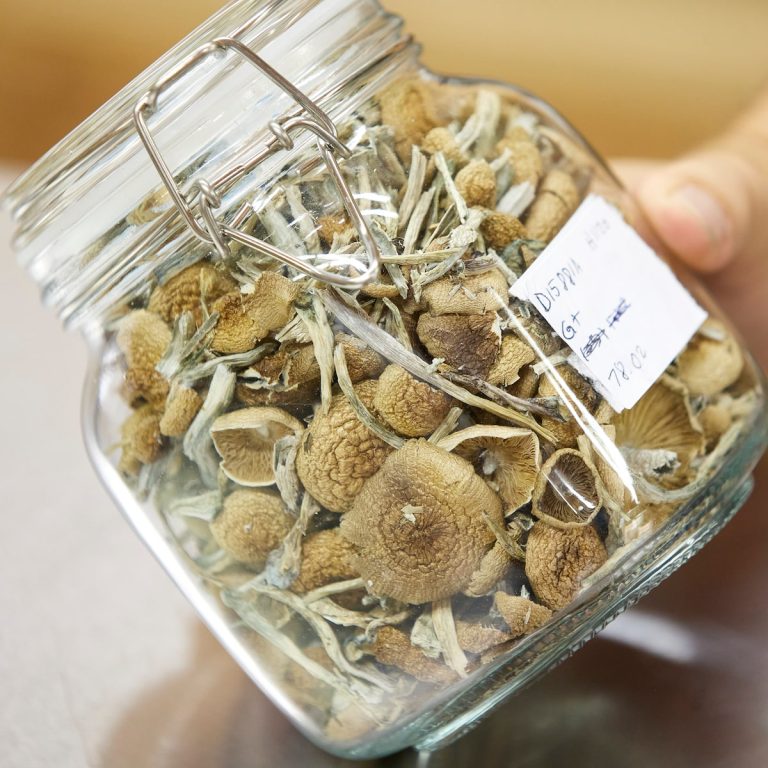
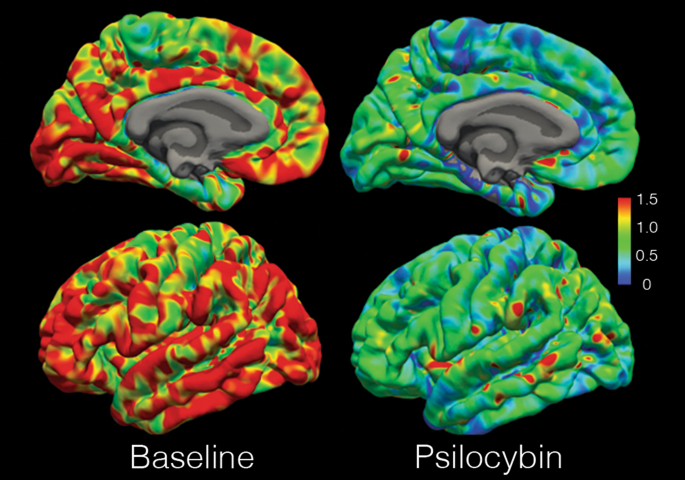
Psilocybin is a naturally occurring psychedelic compound found in certain mushroom species. The body converts psilocybin into psilocin, which interacts with serotonin receptors in the brain.
Researchers have studied psilocybin in relation to depression, anxiety, addiction, and other areas of mental health research.
LSD
LSD is a potent synthetic psychedelic. It produces changes in perception, sensory processing, cognition, and time perception.
Scientific research into LSD dates back several decades, although modern clinical research has renewed interest in its potential therapeutic applications.
DMT
DMT is a naturally occurring psychedelic compound found in several plants and other biological sources. It produces intense alterations in perception and consciousness.
DMT has also received attention in neuroscience and psychedelic research because of the distinctive nature and relatively short duration of its effects compared with some other classical psychedelics.
Mescaline
Mescaline is a naturally occurring psychedelic compound associated with certain cactus species. It has a long history of traditional and ceremonial use.
What Influences a Psychedelic Experience?
Researchers and harm-reduction organizations often discuss the concepts of “set” and “setting.”
- Set: Your current mental and emotional state.
- Setting: Your physical and social environment.
- Expectations: What you believe or expect to experience.
- Individual differences: Previous experiences, medications, health conditions, and personal sensitivity.
These factors help explain why experiences vary substantially between individuals.
Potential Risks
Psychedelics are not risk-free. Psychological effects may include anxiety, confusion, fear, panic, paranoia, or distress.
Physical risks also exist. Impaired judgment and altered perception may increase the risk of accidents or unsafe decisions.
Some people also face additional risks because of existing medical conditions or medications.
Why Medication Interactions Matter
Drug interactions require particular attention. Some medications affect serotonin signaling, blood pressure, heart rate, or other systems involved in psychedelic effects.
People taking prescription medications should discuss potential interactions with a qualified healthcare professional rather than relying on online anecdotes.
Mental Health Considerations
People with certain psychiatric or neurological conditions may face increased risks from psychedelic substances.
A history of psychosis, mania, or other serious psychiatric symptoms deserves particular medical attention before considering psychedelic exposure.
Research settings use screening procedures for a reason. A substance being studied in a clinical trial does not mean the same risk profile applies to every person.
Why Set and Setting Matter
A calm environment and trusted support may reduce some situational risks, while an unfamiliar or unsafe environment may increase distress.
Harm reduction focuses on reducing foreseeable risks rather than assuming every experience will be positive.
What Does Current Research Tell Us?
Modern psychedelic research has produced interesting findings, but the evidence remains an active area of study.
Some clinical trials report improvements in symptoms for selected participants under controlled conditions. Researchers continue to investigate how durable these effects are, which patients benefit, and which risks require additional attention.
It is important to distinguish between preliminary research, observational studies, randomized clinical trials, and established medical guidance.
Psychedelics and Mental Health
One of the most discussed areas of psychedelic research involves mental health.
Researchers have investigated compounds such as psilocybin for conditions including depression and anxiety. Some studies have reported promising results, while researchers continue to examine long-term outcomes, adverse effects, patient selection, and the role of psychological support.
People should not treat research findings as a substitute for professional diagnosis or medical care.
Understanding Legal Status
Psychedelic laws differ substantially between countries, states, provinces, and municipalities.
A substance’s legal status also depends on factors such as possession, manufacture, distribution, research use, and medical use.
Anyone researching psychedelics should check current laws from official government sources in their own jurisdiction.
Why Product Claims Require Care
Online psychedelic information varies widely in quality. Product names, ingredient claims, potency statements, and descriptions do not always reflect independently verified laboratory results.
Consumers should approach unsupported health claims with caution.
Claims involving guaranteed mental-health benefits, guaranteed effects, or guaranteed outcomes require particular scrutiny.
Questions Beginners Often Ask
Are psychedelics safe?
No substance is risk-free. Risk depends on the substance, individual factors, interactions, environment, and other circumstances.
Are psychedelics addictive?
Classical psychedelics generally have different dependence profiles from substances such as opioids or stimulants. This does not mean psychedelic use has no risks or that problematic patterns are impossible.
Are psychedelics legal?
Legal status varies by substance and jurisdiction. Always check current local laws from authoritative sources.
Are psychedelic substances being studied by scientists?
Yes. Researchers continue to study several psychedelic compounds in areas including neuroscience, psychology, and mental health.
Does research prove psychedelics treat mental illness?
Research has produced promising findings for some conditions, but evidence varies by substance and condition. Clinical research should not be interpreted as a universal treatment recommendation.
Where to Find Reliable Information
Reliable psychedelic education should prioritize peer-reviewed research, government health agencies, universities, and established medical organizations.
When reading an online article, look for references to the original study rather than relying only on claims made by a commercial website.
Final Thoughts
Psychedelics represent an important area of modern neuroscience and behavioral research. They also carry psychological, physical, legal, and social risks.
A responsible approach starts with accurate information. Understand the substance, examine the evidence, consider individual risk factors, check current laws, and seek professional medical advice when health conditions or medications are involved.
For more educational information, explore the Psychedelic2 FAQ, About Us page, and our educational resources.
External References and Further Reading
The following sources provide additional information on psychedelic research,
safety, clinical investigations, and current scientific evidence.
FDA: Psychedelic Drugs
Information from the U.S. Food and Drug Administration about psychedelic drug research and development.
FDA: Psychedelic Drugs, Considerations for Clinical Investigations
Guidance covering considerations for studying psychedelic drugs in clinical research.
NCCIH: Psilocybin for Mental Health and Addiction
Consumer-focused information about psilocybin, research findings, potential risks, and evidence limitations.
NIH: How Psychedelic Drugs Alter the Brain
Research information about how psychedelic drugs affect brain activity and perception.
NIH: Psychedelic Science and Medicine
Information about psychedelic science and medicine research within the National Institutes of Health.
NIH: Finding a Clinical Trial
Information about finding and understanding registered clinical research studies.
NCBI: Psychedelic Medications for Mental Health and Substance Use Disorders
An evidence review covering research into psychedelic medications and mental health and substance-use disorders.
Important: Scientific evidence and laws surrounding psychedelic
substances continue to develop. Check current information from appropriate
government and medical sources for your jurisdiction.