How Psychedelics Affect the Brain
Psychedelic substances produce major changes in perception, cognition, mood, and sensory processing. Researchers have studied these effects to understand how psychedelics interact with the brain and why their effects differ from many conventional drugs.
What Are Psychedelics?
Psychedelics are a group of substances associated with significant changes in perception, cognition, emotion, and awareness.
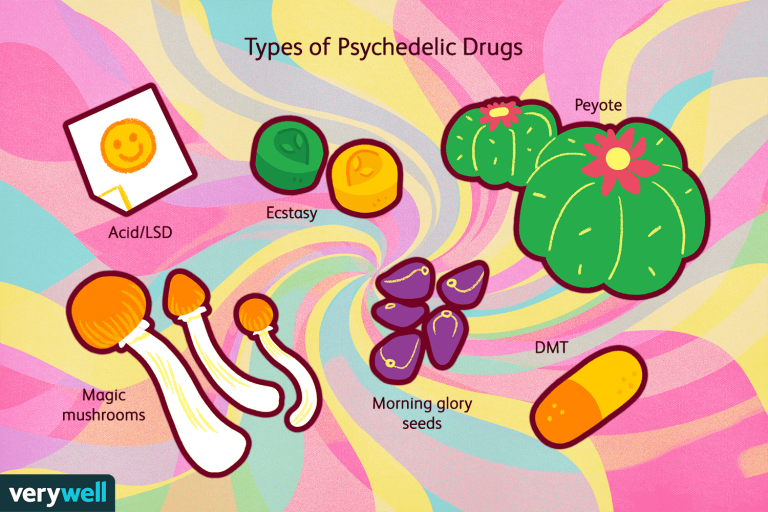
Examples include LSD, psilocybin, and several related compounds.
The Role of Serotonin
Many classic psychedelics interact with serotonin receptors in the brain. The serotonin 2A receptor plays an important role in the effects associated with LSD and psilocybin.
Changes in serotonin signaling affect communication between brain regions involved in perception, attention, emotion, and cognition.
Changes in Brain Networks
Research suggests psychedelics alter normal patterns of communication between brain networks.
Brain regions that usually operate with strong internal organization may communicate differently during psychedelic states.
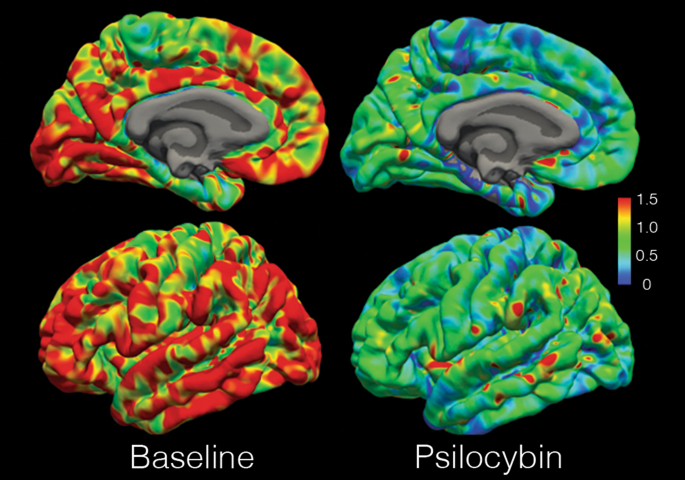
Scientists study these changes using techniques such as functional magnetic resonance imaging and other forms of brain imaging.

Effects on Perception
Psychedelics may change how the brain processes sensory information.
- Visual perception may change
- Time perception may become distorted
- Sounds may seem different
- Attention may shift
- Thought associations may become unusual
These effects reflect changes in information processing rather than a simple increase in sensory input.
Effects on Thinking
Psychedelics may alter ordinary patterns of thought. Some people report unusual associations, changes in self-perception, or shifts in how they interpret experiences.
Researchers continue to investigate whether these changes have therapeutic significance.
Psychedelics and Neuroplasticity
Neuroplasticity refers to the brain’s ability to change its structure and function in response to experience.
Preclinical and clinical research has investigated whether some psychedelic substances influence processes associated with neuroplasticity. Researchers are still determining how these biological changes relate to psychological outcomes.
Research Into Depression
Psilocybin has received substantial research attention for depression and related conditions. Clinical studies have produced promising findings, but psychedelic-assisted treatment remains a specialized area of medicine.
Results from clinical trials do not mean that unsupervised use produces the same outcomes.
Why Clinical Setting Matters
Research involving psychedelics generally uses controlled environments, screening procedures, trained professionals, and structured follow-up.
These conditions differ substantially from uncontrolled use.
Potential Risks
Psychedelic effects may become psychologically difficult or physically unsafe.
- Acute anxiety
- Panic
- Confusion
- Impaired judgment
- Temporary increases in heart rate or blood pressure
- Distressing perceptual experiences
People with certain psychiatric conditions may face additional risks.
What Scientists Still Do Not Know
Important questions remain about long-term effects, individual differences, optimal therapeutic approaches, and the mechanisms linking changes in brain activity to lasting psychological outcomes.
Researchers continue to investigate these questions through controlled studies.
Frequently Asked Questions
How do psychedelics affect the brain?
Many classic psychedelics affect serotonin signaling, particularly through serotonin 2A receptors. They also alter communication between brain networks involved in perception and cognition.
Do psychedelics change brain activity?
Yes. Brain-imaging research shows changes in activity and communication between several brain networks during psychedelic states.
Are psychedelics being studied as medical treatments?
Yes. Researchers are studying substances such as psilocybin for several psychiatric conditions. Clinical research remains ongoing.
Are psychedelic effects risk-free?
No. Psychedelics may cause anxiety, confusion, impaired judgment, and other adverse effects. Risk varies according to the substance and individual circumstances.