
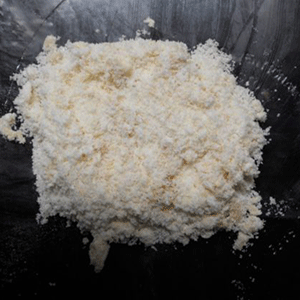

4-AcO dmt
Price range: $200.00 through $1,250.00
4-AcO-DMT, also known as psilacetin, is a synthetic tryptamine primarily studied in psychedelic and pharmacological research. It is structurally related to psilocin and psilocybin and is of interest in research involving serotonin receptors and altered states of consciousness.
Description
Buy 4-AcO-DMT online Research Chemical: Chemical Profile, Pharmacology and Research Applications
4-AcO-DMT, also known as 4-Acetoxy-N,N-dimethyltryptamine, O-Acetylpsilocin, or psilacetin, is a synthetic tryptamine that has attracted scientific interest because of its close structural relationship to psilocin and psilocybin.
The compound belongs to a broader family of substituted tryptamines investigated in psychedelic pharmacology, analytical chemistry, forensic science, and structure-activity relationship research. Its chemical structure is particularly relevant to researchers studying how modifications to the 4-position of the indole ring influence metabolism and pharmacological activity.
Research on 4-AcO-DMT remains considerably more limited than research on psilocybin and psilocin. It is therefore important to distinguish established laboratory findings from animal studies, theoretical mechanisms, and anecdotal reports.
For primary research concerning the metabolism of 4-AcO-DMT, see the peer-reviewed study published in Drug Testing and Analysis, which investigated its metabolites using pooled human liver microsomes and UHPLC-Q-Orbitrap mass spectrometry: Zhai et al., 2022, PubMed.
What Is 4-AcO-DMT?
4-AcO-DMT is a synthetic compound belonging to the tryptamine class. Its full chemical name is 4-Acetoxy-N,N-dimethyltryptamine.
The molecule contains an indole ring system associated with tryptamines and an acetoxy group at the 4-position. It also contains two methyl groups attached to the terminal nitrogen.
This structure makes 4-AcO-DMT closely related to psilocin, or 4-HO-DMT. The principal structural distinction is the functional group located at the 4-position of the indole ring.
Psilocin contains a hydroxy group, while 4-AcO-DMT contains an acetoxy group. This relationship has made 4-AcO-DMT useful for comparative research into psilocin derivatives.
A 2020 review examining structure-activity relationships among psilocybin analogues discusses 4-AcO-DMT and other substituted tryptamines in the broader context of psychedelic chemistry. The research is available through the National Library of Medicine.
4-AcO-DMT Chemical Profile
- Full name: 4-Acetoxy-N,N-dimethyltryptamine
- Common names: 4-AcO-DMT, O-Acetylpsilocin, psilacetin
- Chemical class: Substituted tryptamine
- Structural relationship: Acetoxy analogue of psilocin
- Research area: Psychedelic pharmacology, analytical chemistry and forensic toxicology
- Molecular formula: C14H18N2O2
The molecular weight depends on the chemical form being considered. Researchers should therefore verify the molecular formula, molecular weight, salt form, and chemical identity of the specific reference material being examined.
Appearance alone does not establish identity or purity. Proper analytical characterization is required when the chemical identity of a sample matters.
Historical Background
4-AcO-DMT has roots in the early investigation of synthetic analogues of psilocin.
Historical literature associates the compound with Albert Hofmann and Franz Troxler at Sandoz. A review of psilocybin analogue chemistry notes that 4-AcO-DMT was patented in 1963 as part of research involving psilocin derivatives.
The compound later became part of a wider group of synthetic tryptamines investigated for their chemical and pharmacological properties.
The historical record should not be confused with evidence of modern clinical efficacy. Early synthesis and patent activity demonstrate chemical research interest, but they do not establish medical safety or therapeutic effectiveness.
For a detailed academic discussion of substituted psilocybin analogues, see the peer-reviewed review available through PubMed Central.
Relationship Between 4-AcO-DMT, Psilocin and Psilocybin
Understanding the relationship between these compounds is important when interpreting scientific literature.
Psilocybin is a naturally occurring phosphorylated tryptamine found in several psychedelic mushroom species.
Psilocin is the active metabolite associated with psilocybin and interacts with several serotonin receptors, including the 5-HT2A receptor.
4-AcO-DMT is a synthetic acetoxy analogue of psilocin.
The similarities between these molecules have led researchers to investigate whether 4-AcO-DMT functions as a precursor to psilocin.
Earlier literature described this relationship as a proposed mechanism. More recent experimental work provides stronger evidence for the conversion of psilacetin into psilocin.
A 2024 study published in Frontiers in Psychiatry examined psilacetin in mice and found direct evidence supporting its role as a psilocin prodrug. The study also found differences in peripheral psilocin exposure between psilacetin and psilocybin. The complete paper is available at Frontiers in Psychiatry.
What Research Says About Metabolism
Metabolism is one of the most important areas of current 4-AcO-DMT research.
A 2022 study investigated 4-AcO-DMT metabolism using pooled human liver microsomes. Researchers identified multiple proposed metabolites and observed several metabolic pathways, including hydrolysis, hydroxylation, N-demethylation, oxidation, and glucuronide conjugation.
The study identified hydrolysis as the most prominent transformation under the experimental conditions used. The researchers also proposed a metabolite with potential forensic relevance as a biomarker for analytical detection.
The findings are important because they demonstrate why the metabolism of 4-AcO-DMT requires direct investigation rather than assumptions based solely on its structural similarity to psilocybin.
Read the complete study through PubMed.
Recent Research on Psilocin Ester Prodrugs
More recent research has expanded the investigation of psilocin ester derivatives, including 4-AcO-DMT.
A 2025 Journal of Medicinal Chemistry study examined several psilocin derivatives and investigated their stability and conversion under simulated gastrointestinal conditions. The researchers reported rapid conversion of tested psilocin ester prodrugs, including 4-AcO-DMT, under the experimental conditions.
This research provides additional evidence supporting the importance of ester hydrolysis when studying compounds structurally related to psilocin.
The full research article is available through the American Chemical Society.
Mechanism of Action
The pharmacology of 4-AcO-DMT is still being investigated.
Research involving related psychedelic compounds places substantial emphasis on serotonin receptors, particularly the 5-HT2A receptor.
Psilocin itself has established activity at serotonin receptors, including 5-HT2A. A review of psilocybin and psilocin metabolism discusses the relationship between psilocin and 5-HT2A receptor activity in detail and is available through PubMed.
Research specifically involving 4-AcO-DMT also continues to examine serotonergic mechanisms. A recent animal study reported effects involving 5-HT2A receptor activation and cortical circuitry in rats. These findings are useful for understanding possible mechanisms but should not be interpreted as proof of therapeutic effects in humans.
The animal research is available through British Journal of Pharmacology.
Why Researchers Study 4-AcO-DMT
4-AcO-DMT provides researchers with a useful chemical model for investigating substituted tryptamines.
Potential research areas include:
- Serotonin receptor pharmacology
- Tryptamine structure-activity relationships
- Metabolic transformation
- Analytical chemistry
- Forensic toxicology
- Mass spectrometry
- Reference-standard development
- Comparative psychedelic research
- Drug metabolism
- Pharmacokinetic research
The compound is particularly relevant to studies comparing acetoxy and hydroxy derivatives of tryptamines.
Analytical Chemistry and 4-AcO-DMT
Analytical chemistry plays an important role in the identification of emerging psychoactive substances.
Researchers investigating 4-AcO-DMT might use techniques such as:
- Liquid chromatography
- Liquid chromatography-mass spectrometry
- High-resolution mass spectrometry
- Nuclear magnetic resonance spectroscopy
- Infrared spectroscopy
- Chromatographic reference comparisons
The appropriate method depends on the research question.
Mass spectrometry is especially useful in forensic and analytical research because researchers can investigate molecular mass, fragmentation patterns, and metabolites.
The 2022 metabolism study involving 4-AcO-DMT used UHPLC-Q-Orbitrap mass spectrometry to investigate metabolic products. This demonstrates how advanced analytical techniques contribute to research involving emerging tryptamines. The study is indexed at PubMed.
Purity and Chemical Identity
Researchers should not determine chemical identity from appearance alone.
A material described as a research chemical requires appropriate analytical confirmation before researchers treat its identity as established.
Useful documentation might include:
- Compound identity
- Analytical method
- Purity measurement
- Sample or batch identification
- Testing date
- Laboratory information
- Reference-standard information
- Chromatographic or spectrometric data
A certificate of analysis is most useful when the analytical laboratory, testing method, sample identity, and reported results are clearly documented.
4-AcO-DMT in Forensic Science
Emerging psychoactive substances present challenges for forensic laboratories because conventional drug-screening panels might not identify newer compounds.
4-AcO-DMT has therefore attracted interest within analytical and forensic research.
Potential forensic research questions include:
- How to identify 4-AcO-DMT in biological samples
- Which metabolites provide useful analytical markers
- How sample preparation affects chemical stability
- How chromatographic conditions influence detection
- How mass-spectrometric fragmentation supports identification
A forensic toxicology study has also examined the possibility that 4-AcO-DMT may undergo hydrolysis during certain analytical procedures, potentially producing psilocin and complicating interpretation of analytical results. The study is indexed through PubMed.
Research Limitations
One of the most important considerations surrounding 4-AcO-DMT is the limited amount of high-quality human research.
Much of the available evidence comes from chemical studies, laboratory experiments, animal research, analytical investigations, and anecdotal reports.
These categories of evidence should not be treated as equivalent.
Animal findings provide information about biological mechanisms but do not establish identical effects in humans. In-vitro metabolism studies provide information about biochemical pathways but do not automatically establish what happens throughout the human body.
Anecdotal reports provide observations but do not establish clinical efficacy or safety.
This distinction is especially important when evaluating claims involving mental health, therapeutic outcomes, or long-term effects.
Safety Considerations
4-AcO-DMT is a psychoactive research compound with limited clinical safety data.
There is insufficient evidence to establish a comprehensive human safety profile. Researchers should therefore avoid describing the compound as safe for human consumption or as an established treatment for a medical condition.
Laboratory environments should follow appropriate chemical safety procedures, including:
- Controlled access
- Correct sample labeling
- Appropriate personal protective equipment
- Contamination prevention
- Documented handling procedures
- Proper chemical storage
- Appropriate waste disposal
- Exposure-response procedures
Human research involving psychoactive substances requires appropriate ethical review, regulatory authorization, informed consent procedures, and qualified supervision.
Storage and Handling
Research chemicals should be stored according to their verified chemical properties and the recommendations supplied with the material.
General laboratory practices include protecting chemical samples from unnecessary heat, light, moisture, contamination, and unauthorized access.
Containers should remain properly labeled and should not be repurposed for food, beverages, or household materials.
Researchers should consult relevant safety documentation before establishing storage procedures for a specific chemical form.
Legal and Regulatory Considerations
The legal status of 4-AcO-DMT differs between countries and jurisdictions.
Legal treatment might depend on controlled-substance legislation, analogue laws, new psychoactive substance legislation, import regulations, research exemptions, and local rules.
A statement about the legal status of a compound in one country should not be applied automatically to another country.
Researchers should verify current requirements with the relevant regulatory authority before possessing, importing, transporting, or studying 4-AcO-DMT.
Researchers should also recognize that regulations can change. A historical description of legal status does not replace current legal advice.
4-AcO-DMT Compared With Psilocybin
| Property | 4-AcO-DMT | Psilocybin |
|---|---|---|
| Chemical family | Substituted tryptamine | Phosphorylated tryptamine |
| Origin | Synthetic | Naturally occurring |
| Relationship to psilocin | Acetoxy analogue | Phosphate prodrug |
| Research focus | Metabolism, pharmacology and analytical chemistry | Pharmacology, metabolism and clinical research |
| Clinical status | Not an approved medicine | Research continues in multiple medical fields |
Both compounds provide useful research models for investigating the biology of psilocin-related psychedelics. They should still be treated as distinct chemical entities.
Related Compounds
Psilocin
Psilocin, or 4-HO-DMT, is closely related structurally to 4-AcO-DMT. It is also the active metabolite associated with psilocybin.
Research into psilocin metabolism continues to improve understanding of the pharmacology and toxicology of psilocybin-related compounds. A recent metabolic study is available through PubMed.
Psilocybin
Psilocybin is a naturally occurring psychedelic compound found in several mushroom species. Its metabolism produces psilocin.
Research into psilocybin and psilocin provides important background for understanding 4-AcO-DMT because of their structural and metabolic relationships.
4-AcO-DiPT
4-AcO-DiPT is another substituted acetoxy tryptamine. Its different N-substitution provides a comparative model for studying how structural modifications influence tryptamine pharmacology.
4-AcO-DET
4-AcO-DET is another member of the acetoxy tryptamine family. Researchers have examined related compounds as part of broader structure-activity relationship studies.
Baeocystin
Baeocystin is a naturally occurring tryptamine associated with psilocybin-containing mushrooms. Its structural differences provide another comparison point for studies of substituted tryptamines.
Aeruginascin
Aeruginascin is another naturally occurring tryptamine associated with certain mushroom species. Research into its active metabolites provides additional information about how changes to tryptamine structures affect receptor interactions.
Frequently Asked Questions About 4-AcO-DMT
What does 4-AcO-DMT stand for?
4-AcO-DMT stands for 4-Acetoxy-N,N-dimethyltryptamine. It is also known as O-Acetylpsilocin and psilacetin.
Is 4-AcO-DMT the same as psilocybin?
No. The compounds are chemically different. They share structural similarities and a relationship to psilocin, but they should not be treated as interchangeable.
Is 4-AcO-DMT the same as psilocin?
No. 4-AcO-DMT contains an acetoxy group at the 4-position, while psilocin contains a hydroxy group. Research indicates that 4-AcO-DMT can undergo hydrolysis to produce psilocin-related metabolites.
What is 4-AcO-DMT studied for?
Research interests include tryptamine chemistry, metabolism, serotonin receptor pharmacology, forensic toxicology, analytical chemistry, and structure-activity relationships.
What does current research say about its metabolism?
Laboratory research has identified multiple metabolic transformations of 4-AcO-DMT, including hydrolysis, hydroxylation, N-demethylation, oxidation, and glucuronide conjugation. The 2022 study is available through PubMed.
Is 4-AcO-DMT approved as a medicine?
No. 4-AcO-DMT is not an approved medication. Research interest should not be interpreted as evidence of clinical approval or established therapeutic effectiveness.
How is 4-AcO-DMT identified in laboratory research?
Researchers may use analytical techniques such as liquid chromatography, mass spectrometry, spectroscopy, and NMR depending on the research objective.
Is 4-AcO-DMT legal?
Legal status varies by jurisdiction and changes over time. Researchers should consult current laws and relevant regulatory authorities before conducting work involving the compound.
Scientific References
- Zhai W, Li L, Zhao J, et al. “Tentative identification of in vitro metabolites of O-acetylpsilocin (psilacetin, 4-AcO-DMT) by UHPLC-Q-Orbitrap MS.” Drug Testing and Analysis. 2022;14(7):1300-1309.
View on PubMed. - Flanagan M, et al. “In vivo validation of psilacetin as a prodrug yielding modestly lower peripheral psilocin exposure than psilocybin.” Frontiers in Psychiatry. 2024.
Read the full study. - “Investigation of the Structure–Activity Relationships of Psilocybin Analogues.” ACS Pharmacology & Translational Science.
Read through PubMed Central. - “Synthesis and In Vitro Profiling of Psilocin Derivatives: Improved Stability and Synthetic Properties.” Journal of Medicinal Chemistry.
View at the American Chemical Society. - “In vitro and in vivo metabolism of psilocybin’s active metabolite psilocin.”
View on PubMed. - “Elucidating the Phase I metabolism of psilocin in vitro.” Archives of Toxicology. 2025.
View on PubMed.
Conclusion
4-AcO-DMT is a synthetic tryptamine with a close structural relationship to psilocin and psilocybin. Its chemistry makes it relevant to research into substituted tryptamines, metabolism, serotonin signaling, analytical chemistry, and forensic toxicology.
Recent laboratory and animal research has strengthened the scientific understanding of its metabolism and relationship to psilocin. At the same time, significant research gaps remain, particularly regarding human pharmacology, long-term effects, and clinical safety.
For this reason, scientific descriptions of 4-AcO-DMT should distinguish established evidence from preliminary findings and anecdotal reports. Researchers should rely on peer-reviewed literature, validated analytical methods, appropriate laboratory procedures, and current regulatory information.
For additional scientific information about psychedelic tryptamines and related compounds, consult primary research literature and authoritative scientific databases.
Additional information
| Quantity | 4 grams, 5 grams, 1/2 ounce, 1 ounce |
|---|
Related products
-
- Dmt
5-MeO DMT
- Price range: $200.00 through $1,100.00
- Select options This product has multiple variants. The options may be chosen on the product page
-
- Dmt
DMT vape
- Price range: $140.00 through $1,100.00
- Select options This product has multiple variants. The options may be chosen on the product page
-
- Dmt
DMT powder
- Price range: $200.00 through $1,300.00
- Select options This product has multiple variants. The options may be chosen on the product page
Reviews
There are no reviews yet.